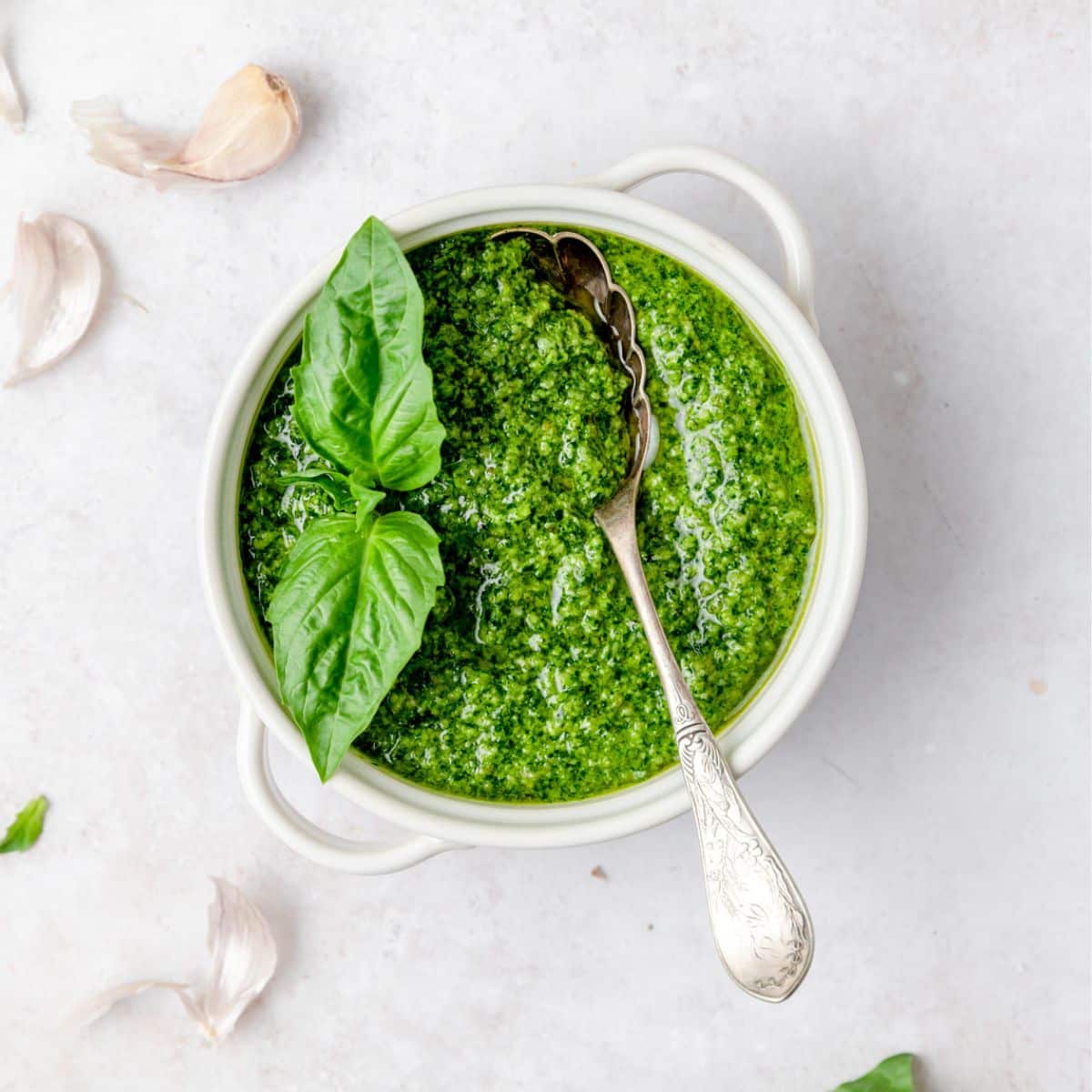
Unlock the Secret to Seriously Emerald Green Pesto: A Guide Beyond Basic Blanching
There’s nothing quite like the vibrant burst of fresh, homemade pesto. The aromatic embrace of basil, the nutty richness of pine nuts, the sharp tang of cheese – it’s a symphony of flavors. Yet, for many home cooks, the dream of a pesto as visually stunning as it is delicious often fades, replaced by a drab, brownish-green reality. If you've ever wondered
pesto how to make beautifully green pesto that stays that way, you're in the right place. We’re going beyond the basics to reveal the expert techniques that transform your pesto from merely tasty to a true emerald masterpiece, with a little help from spinach and lemon.
Forget the disappointment of dull, oxidized pesto. This comprehensive guide will equip you with the knowledge and actionable steps to consistently create pesto that not only tastes incredible but also boasts a dazzling, fresh-from-the-garden green hue that lasts. From the critical step of blanching to the strategic addition of unexpected ingredients, prepare to elevate your pesto game permanently.
The Foundation of Green: Why Blanching Your Basil is Non-Negotiable
The secret to preventing your pesto from turning that unappetizing brown lies primarily in one crucial, yet often overlooked, step: blanching your basil. Many traditional recipes skip this, leading to pesto that looks appealing for mere minutes before succumbing to oxidation. But why does this happen, and how does blanching combat it?
Basil, like many fresh greens, contains enzymes (polyphenol oxidase, to be precise) that react with oxygen when the leaves are bruised or chopped, causing them to brown. Think of an apple slice turning brown after being cut – it's the same principle. Blanching, a rapid dip in boiling water followed by an immediate plunge into an ice bath, works wonders by deactivating these browning enzymes.
Here’s how it unfolds:
- Boiling Water Baptism: A quick submersion of your basil leaves (and garlic cloves, for convenience) in vigorously boiling water for just 15-30 seconds is all it takes. You'll notice the leaves transform, intensifying in color to a brilliant green. This brief heat flash is enough to denature those browning enzymes without cooking the basil through.
- The Ice Bath Shock: The moment the basil achieves that bright green, it’s critical to transfer it *immediately* to a bowl of ice water. This halts the cooking process, locking in the vibrant color and preserving the fresh flavor. Skipping this step means your basil continues to cook from residual heat, leading to a duller color and a mushy texture.
- Thorough Drying: After its refreshing ice bath, your basil and garlic must be thoroughly drained and patted dry. Excess water can dilute your pesto and affect its consistency, so take the time to squeeze out as much moisture as possible using a clean kitchen towel.
This simple blanching technique is the cornerstone for achieving and maintaining that gorgeous, vibrant green. For a deeper dive into this transformative technique, check out our guide on
Blanch Your Basil: The Key to Beautifully Green Pesto That Lasts. It's the primary answer to
pesto how to make beautifully green pesto that truly endures.
Elevating the Hue: Spinach and Lemon – Your Secret Weapons
While blanching provides an excellent foundation, two additional ingredients can take your pesto's vibrancy to an even higher level: fresh baby spinach and a squeeze of lemon juice. These aren't just add-ins; they're strategic components for achieving pesto perfection.
The Emerald Factor: Baby Spinach
Incorporating a handful of baby spinach leaves into your pesto might seem unconventional, but it's a brilliant trick for amplifying that coveted emerald color. Spinach is packed with chlorophyll, the pigment responsible for green in plants. Its mild flavor means it won't overpower the basil but will contribute significantly to the visual appeal.
*
Intensified Green: Spinach’s natural vibrant green boosts the overall hue, making your pesto incredibly striking.
*
Milder Flavor Profile: Baby spinach has a very subtle taste, which means it enhances the color without detracting from the classic basil-forward flavor of your pesto.
*
Added Nutrients: As a bonus, spinach introduces additional vitamins and minerals, making your pesto even more wholesome.
*
Extending Basil Harvest: If your basil harvest is dwindling, spinach can help stretch your yield without compromising quality or color. You can substitute up to a cup of basil with baby spinach.
The Brightness Booster: Fresh Lemon Juice
A few drops of fresh lemon juice serve a dual purpose in your pesto: it brightens both the flavor and the color.
*
Color Preservation: Lemon juice is acidic, and acid helps to stabilize the chlorophyll in the basil and spinach, further preventing oxidation and dulling. It's an extra layer of protection for that beautiful green.
*
Flavor Enhancement: Beyond color, lemon juice adds a refreshing zest and a subtle tang that cuts through the richness of the olive oil, nuts, and cheese. It imparts a delightful freshness that, as many home cooks attest, makes the pesto "taste greener." It simply lifts all the other flavors.
When combining these elements, you're not just making pesto; you're crafting an experience. These techniques are key for those aiming to
Stop Brown Pesto: How to Keep Your Homemade Pesto Bright Green for Days.
Crafting Your Emerald Masterpiece: A Step-by-Step Recipe Guide
Ready to put these secrets into practice? Here's a detailed recipe designed to deliver the most vibrant, flavorful pesto you've ever made. This recipe yields about 2 cups, perfect for enjoying now and freezing for later.
Ingredients:
- 6 cups (about 120g) fresh basil leaves, lightly compressed (can substitute up to 1 cup with baby spinach)
- 3/4 cup toasted pine nuts (for deeper flavor, lightly toast in a dry pan until fragrant)
- 6 large garlic cloves, peeled
- 1/2 tsp fine sea salt, plus more to taste
- 1 cup extra-virgin olive oil, high quality recommended
- 1.5 cups freshly grated Pecorino Romano cheese (preferred for its salty, sharp bite) or Parmesan cheese
- Fresh lemon juice, to taste (start with 1-2 teaspoons)
Preparation:
- Prepare for Blanching: Fill a large pot with water and bring it to a rolling boil. Meanwhile, fill a large bowl with ice water and set it next to the stove. Pick over your basil and spinach leaves, removing any blemished bits or thick stems.
- Blanch the Greens and Garlic: Once the water is boiling, add the basil leaves (and spinach, if using) and the peeled garlic cloves. Using a slotted spoon, gently push the leaves down to submerge them. Blanch for less than a minute, just until the leaves turn a shockingly bright green. This happens very quickly!
- Shock and Drain: Immediately scoop out the basil, spinach, and garlic with the slotted spoon and plunge them into the ice bath. Swirl gently to ensure even cooling. Once completely cold (a minute or two), transfer the contents of the colander to a clean kitchen towel.
- Thoroughly Dry: Gather the corners of the towel and gently but firmly squeeze out as much excess water as possible from the blanched greens and garlic. This is a critical step for preventing watery pesto.
- Process the Base: Place the dried basil, spinach, garlic, toasted pine nuts, and 1/2 tsp of salt into a food processor. Pulse several times until the mixture is finely chopped and begins to form a paste.
- Emulsify with Olive Oil: With the food processor running on low, slowly drizzle in the extra-virgin olive oil in a steady stream. Continue processing until the pesto is smooth and emulsified. Scrape down the sides as needed.
- The Final Touches (Important for Freezing):
- For Immediate Use: If you plan to use the pesto right away, add the grated Pecorino Romano (or Parmesan) cheese and 1-2 teaspoons of fresh lemon juice to the food processor. Pulse briefly, just until combined. Taste and adjust salt or lemon juice as desired. If the pesto seems too thick, you can add a little more olive oil.
- For Freezing: If you intend to freeze your pesto, do not add the cheese or lemon juice at this stage. Both dairy and citrus can change texture and flavor upon freezing and thawing. Instead, omit them, divide the pesto among freezer-safe containers, and freeze. You'll add the cheese and fresh lemon juice to the thawed pesto just before serving.
Following these steps ensures you're truly creating
pesto how to make beautifully green pesto, ready for any culinary adventure.
Beyond the Jar: Storing Your Vibrant Pesto for Longevity
Once you’ve mastered making beautifully green pesto, you’ll want to ensure it lasts. Proper storage is key to maintaining its vibrant color and fresh flavor.
*
Refrigeration: If using within a week, transfer your fresh pesto to an airtight container. To prevent oxidation, smooth the top and pour a thin layer of olive oil over the surface before sealing. This creates a barrier against air.
*
Freezing for Long-Term: Pesto freezes exceptionally well!
* As noted in the recipe, always freeze pesto *without* cheese and lemon juice. Add these fresh components after thawing for the best flavor and texture.
* Divide the pesto into small, freezer-safe containers or even ice cube trays. Once frozen solid, pop out the cubes and transfer them to a freezer bag for easy portioning.
* Frozen pesto can last for 6-9 months, allowing you to enjoy the taste of summer basil long into the colder months. Thaw overnight in the refrigerator or gently at room temperature before use.
Your gorgeously green pesto is incredibly versatile. Drizzle it over pasta, spread it on sandwiches, swirl it into soups (like a hearty sausage, kale, and bean soup), dollop it on eggs, or use it as a flavorful base for chicken or fish.
Conclusion
Gone are the days of drab, brownish pesto. By embracing the simple yet powerful techniques of blanching your basil, strategically incorporating baby spinach, and brightening with a squeeze of fresh lemon, you now possess the knowledge to consistently create
pesto how to make beautifully green pesto that will impress both visually and gastronomically. This isn't just a recipe; it's a methodology for pesto perfection. So, gather your ingredients, fire up your food processor, and prepare to delight in the vibrant, aromatic splendor of truly emerald green homemade pesto.